How can conservation areas support elephants, nature and local communities at the same time?
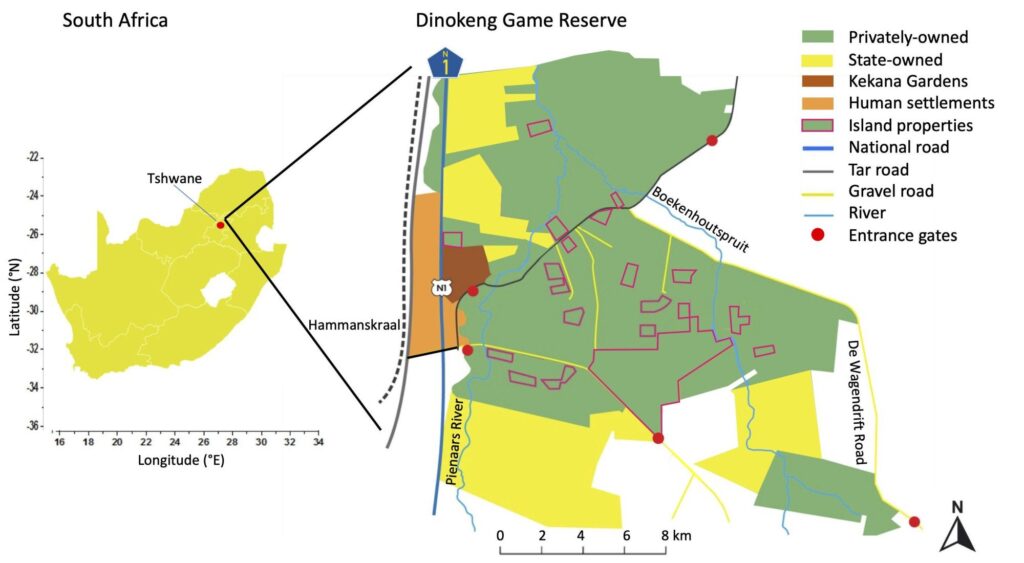
This question was at the heart of our study in Dinokeng Game Reserve, South Africa, published in Diversity. The reserve was created to protect biodiversity, restore land and support local development. But, as in many conservation landscapes, living with elephants also brought challenges, including human–elephant conflict, difficult management decisions and tensions between different groups of people.
To better understand this complex landscape, Bring The Elephant Home founder Dr Antoinette van de Water lived in Dinokeng Game Reserve from January 2018 to August 2019. Living in the reserve allowed her to experience human–elephant conflict and the impact of elephant management interventions first-hand. It also helped her explore deeper questions about the “value of elephants”, identify the main stakeholder groups, and develop interview and questionnaire questions that reflected local realities.
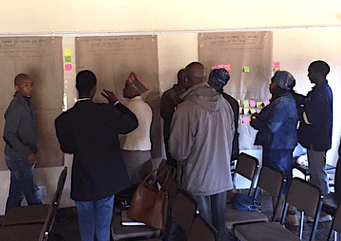
The study listened to people living both inside the reserve and in the neighbouring Kekana Gardens community. Through interviews, questionnaires, and a participatory community workshop, we explored how people value elephants, the benefits and challenges they experience, and the kind of future they would like to see.
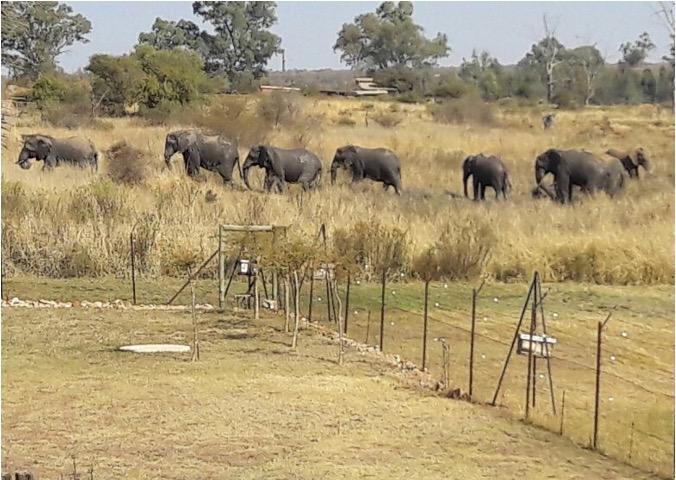
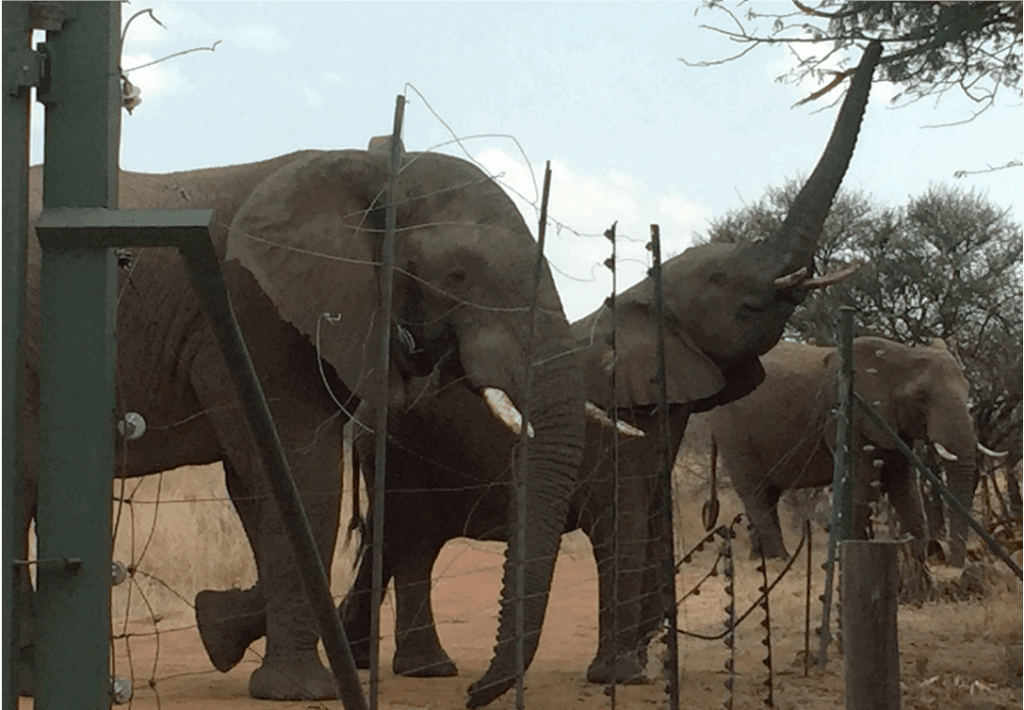
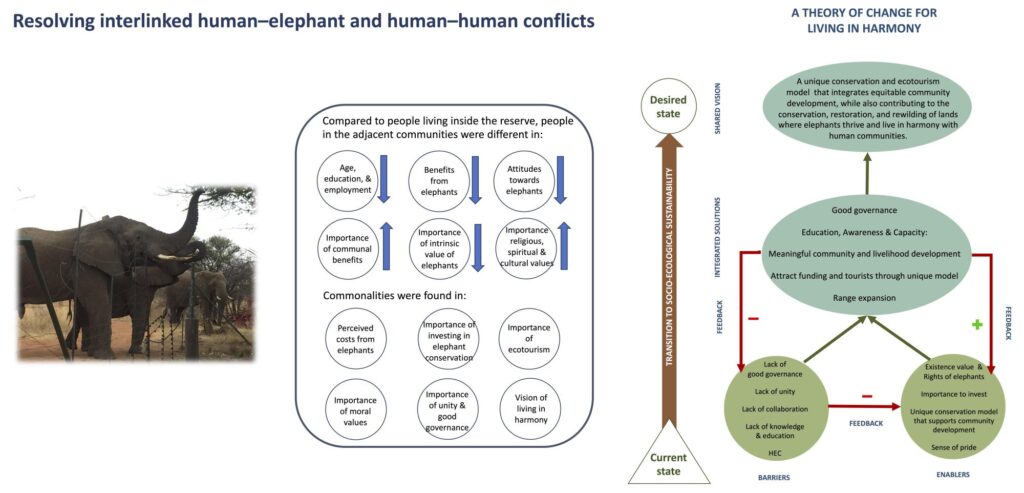
The findings showed important common ground. Both groups recognised the value of elephants, supported investment in elephant conservation, and acknowledged that elephants have a right to exist. At the same time, the benefits of living with or near elephants were not shared equally. People inside the reserve had more access to wildlife-based benefits, while many neighbouring community members experienced fewer benefits and ongoing socio-economic challenges.
Based on these insights, the study developed a Theory of Change for Living in Harmony: a practical framework for finding more inclusive and widely supported conservation solutions. It highlights the importance of good governance, trust, education, community engagement, fair access to benefits, habitat expansion and solutions that support elephants, biodiversity and people.
This study shows that conservation conflicts cannot be solved by ecological knowledge alone. Lasting coexistence requires listening, shared vision, meaningful benefits and a deeper understanding of the values people hold for elephants and nature.
Van de Water, A., Doornwaard, S., Sluiter, L., Henley, M., Sutherland, C., & Slotow, R. (2023). Resolving Conservation Conflicts through Shared Vision, Collective Benefits and Relevant Values. Diversity, 15(10), Article 10. https://doi.org/10.3390/d15101041